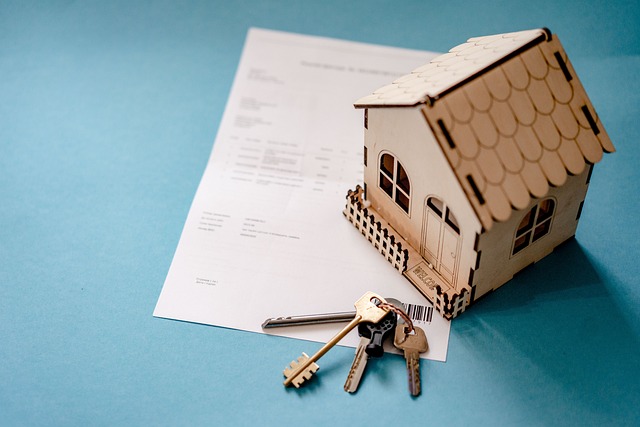
Assumable mortgages are a type of financing arrangement in real estate transactions that allow a buyer to take over the seller’s existing mortgage, including its terms and interest rate. This process can be advantageous in a rising interest rate environment, as buyers may secure a lower rate than what is currently available in the market. The buyer assumes responsibility for the remaining balance of the mortgage, while the lender must approve the transfer. Assumable mortgages can facilitate smoother transactions, particularly for sellers looking to attract buyers in a competitive market, and for buyers seeking to minimize their financing costs. Understanding the mechanics and implications of assumable mortgages is essential for both parties involved in the transaction.
Understanding Assumable Mortgages: Definition and Basics
Assumable mortgages represent a unique aspect of real estate transactions, allowing buyers to take over the existing mortgage of the seller rather than securing a new loan. This arrangement can be particularly advantageous in a rising interest rate environment, where the existing mortgage may have a lower interest rate than what is currently available in the market. By assuming the mortgage, the buyer can potentially save a significant amount of money over the life of the loan. It is essential to understand the mechanics of this process, as well as the implications for both buyers and sellers.
To begin with, an assumable mortgage is typically a feature of certain types of loans, such as FHA, VA, and some conventional loans. These loans include specific clauses that allow for the transfer of the mortgage obligation from the seller to the buyer. However, not all mortgages are assumable; therefore, it is crucial for potential buyers to verify the terms of the existing mortgage before proceeding. This verification process often involves reviewing the loan documents and consulting with the lender to ensure that the assumption is permissible under the current loan terms.
Moreover, the assumption process is not merely a matter of paperwork; it often requires the buyer to qualify for the mortgage. Lenders will typically assess the buyer’s creditworthiness and financial stability to ensure they can meet the payment obligations. This qualification process can be similar to applying for a new mortgage, which may involve providing documentation such as income statements, credit reports, and other financial information. Consequently, buyers should be prepared for this scrutiny, as it can influence their ability to assume the mortgage.
In addition to the financial implications, there are also legal considerations associated with assumable mortgages. When a buyer assumes a mortgage, they effectively take on the seller’s debt, which can have ramifications if the seller is still liable for the loan. In some cases, lenders may require the seller to remain responsible for the mortgage until it is fully paid off, creating a situation known as “dual liability.” This scenario can complicate matters if the buyer defaults on the loan, as the seller may still face repercussions. Therefore, it is advisable for both parties to consult with legal professionals to navigate these complexities effectively.
Furthermore, the benefits of assumable mortgages extend beyond just financial savings. For sellers, offering an assumable mortgage can make their property more attractive to potential buyers, especially in a competitive market. Buyers who are aware of the opportunity to assume a lower-rate mortgage may be more inclined to make an offer, thereby increasing the seller’s chances of a successful sale. This dynamic can create a win-win situation, where both parties find value in the transaction.
As an example of a location where assumable mortgages might be particularly appealing, consider the picturesque town of Sedona, Arizona. Known for its stunning red rock formations and vibrant arts community, Sedona attracts a diverse range of homebuyers. In this market, where property values are on the rise, an assumable mortgage could provide a significant advantage for buyers looking to settle in this idyllic setting. Local real estate agents often highlight properties with assumable mortgages, recognizing that they can facilitate smoother transactions and attract more interest from prospective buyers. Thus, understanding the nuances of assumable mortgages can empower both buyers and sellers in their real estate endeavors, particularly in desirable locations like Sedona.
Q&A
What is an assumable mortgage?
An assumable mortgage is a type of home loan that allows a buyer to take over the seller’s existing mortgage, including its terms and interest rate. This can be beneficial for buyers if the existing mortgage has a lower interest rate than current market rates.
How does the assumption process work?
The buyer must apply to the lender for approval to assume the mortgage. The lender will evaluate the buyer’s creditworthiness and financial situation before granting permission to take over the loan.
Are there any fees associated with assuming a mortgage?
Yes, there may be fees involved in the assumption process, such as application fees, processing fees, or a fee for the lender to review the assumption. These costs can vary by lender and should be discussed upfront.
Can any type of mortgage be assumed?
Not all mortgages are assumable; it typically depends on the loan type and the lender’s policies. Conventional loans may not be assumable, while government-backed loans like FHA and VA loans often are.
What are the benefits of assuming a mortgage?
Assuming a mortgage can provide buyers with a lower interest rate and more favorable loan terms than what is currently available. It can also simplify the buying process by reducing the need for new financing and closing costs.
Assumable mortgages allow a buyer to take over the seller’s existing mortgage, maintaining the same terms and interest rate. This can be advantageous in a rising interest rate environment, as it may offer a lower rate than current market options. The buyer typically must qualify with the lender, and the seller remains liable for the mortgage unless formally released. Overall, assumable mortgages can facilitate smoother transactions and provide financial benefits for both parties involved.