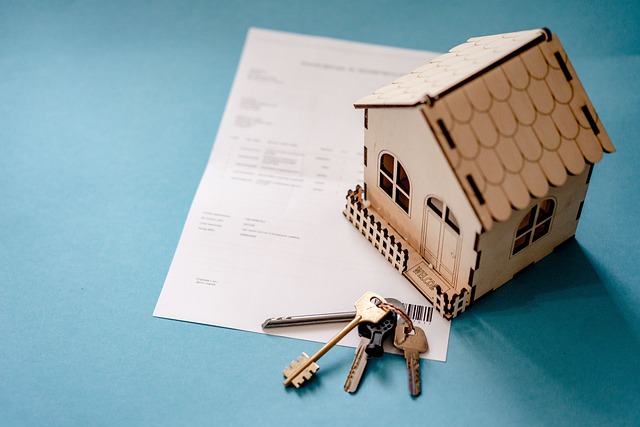
A Mortgage Buying Guide for Understanding Appraisal Requirements is an essential resource for prospective homebuyers navigating the complex process of securing a mortgage. This guide aims to demystify the appraisal process, which plays a critical role in determining the value of a property and ensuring that lenders make informed decisions. By outlining the key components of appraisals, including the factors that influence property value, the types of appraisals commonly used, and the implications of appraisal results on mortgage approval, this guide equips buyers with the knowledge needed to approach their home purchase with confidence. Understanding appraisal requirements not only helps buyers align their expectations but also empowers them to make sound financial decisions throughout their home-buying journey.
Understanding Appraisal Types in Mortgage Transactions
In the realm of mortgage transactions, understanding the various types of appraisals is crucial for both buyers and lenders. An appraisal serves as an independent assessment of a property’s value, ensuring that the amount being financed aligns with the market value. One of the most common types of appraisals is the traditional full appraisal, which involves a comprehensive evaluation of the property by a licensed appraiser. This process typically includes an on-site inspection, where the appraiser examines the condition of the home, its features, and any improvements made. Additionally, the appraiser will analyze comparable properties in the area, known as “comps,” to determine a fair market value. This thorough approach provides a reliable estimate that protects both the lender’s investment and the buyer’s financial interests.
Another type of appraisal that has gained popularity in recent years is the drive-by appraisal. Unlike a full appraisal, a drive-by appraisal does not require an interior inspection of the property. Instead, the appraiser evaluates the exterior of the home and assesses its condition from the street. This method is often used in situations where the lender seeks a quicker assessment, such as for refinancing or when the property is in a stable market. While drive-by appraisals can be less expensive and faster to complete, they may not provide as comprehensive an understanding of the property’s condition, which can be a drawback for buyers seeking to ensure their investment is sound.
In addition to these traditional methods, there are also automated valuation models (AVMs) that utilize technology to estimate property values. AVMs analyze vast amounts of data, including recent sales, tax assessments, and market trends, to generate a value estimate. While these models can provide a quick snapshot of a property’s worth, they lack the nuanced understanding that a human appraiser brings to the table. Consequently, lenders may use AVMs as a preliminary assessment tool but often require a full appraisal for final loan approval, particularly for higher-value properties or in fluctuating markets.
Moreover, specialized appraisals exist for unique properties or specific lending situations. For instance, a commercial appraisal is necessary when financing a business property, as it requires a different set of criteria and considerations compared to residential appraisals. Similarly, appraisals for properties with unique features, such as historic homes or luxury estates, may necessitate appraisers with specialized knowledge in those areas. These tailored appraisals ensure that all relevant factors are considered, providing a more accurate valuation that reflects the property’s true worth.
As buyers navigate the mortgage process, understanding the nuances of these appraisal types can significantly impact their experience. For instance, when considering a property in a competitive market, being aware of the appraisal process can help buyers make informed decisions and prepare for potential challenges. A well-informed buyer may choose to negotiate terms based on the appraisal type, ensuring they are not caught off guard by unexpected valuation discrepancies.
One notable hotel that exemplifies the importance of accurate appraisals in real estate transactions is the historic Hotel Del Coronado in California. This iconic beachfront property has undergone numerous renovations and expansions over the years, making its appraisal particularly complex. The hotel’s unique architectural features and prime location necessitate a thorough appraisal process to accurately reflect its value in the current market. As such, understanding the intricacies of appraisal types becomes essential for stakeholders involved in transactions related to such significant properties, ensuring that all parties are aligned in their expectations and financial commitments.
Q&A
What is a mortgage appraisal?
A mortgage appraisal is an assessment of a property’s value conducted by a licensed appraiser. It ensures that the property’s value aligns with the loan amount requested by the buyer.
Why is an appraisal required for a mortgage?
An appraisal is required to protect the lender’s investment by confirming that the property is worth the amount being financed. It helps prevent borrowers from overpaying for a property and ensures the lender can recover their investment in case of default.
How is the appraised value determined?
The appraised value is determined by evaluating various factors, including the property’s location, condition, size, and comparable sales in the area. The appraiser uses a standardized approach to ensure an accurate and fair valuation.
What happens if the appraisal comes in lower than expected?
If the appraisal is lower than the purchase price, the buyer may need to negotiate with the seller to lower the price or provide a larger down payment. Alternatively, the buyer can appeal the appraisal or seek a second opinion from another appraiser.
Who pays for the appraisal?
The buyer typically pays for the appraisal as part of the closing costs associated with the mortgage process. However, the cost can sometimes be negotiated as part of the overall purchase agreement.
A Mortgage Buying Guide for Understanding Appraisal Requirements is essential for prospective homebuyers to navigate the appraisal process effectively. It outlines the purpose of appraisals, which is to determine the fair market value of a property, ensuring that lenders do not finance more than the home is worth. The guide also highlights key factors that influence appraisals, such as property condition, location, and comparable sales. By understanding these requirements, buyers can better prepare for the appraisal process and make informed decisions during their home purchase.