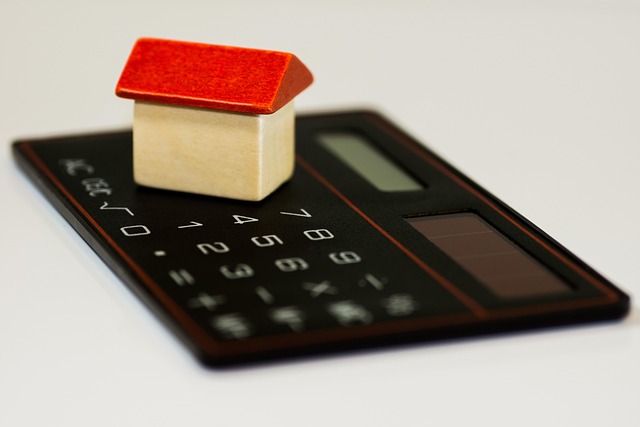
When considering a mortgage, borrowers often encounter the option to pay for points, which are upfront fees that can lower the interest rate on the loan. Understanding whether mortgage points are worth the investment requires a careful analysis of the costs and benefits. This involves calculating the break-even point, which is the time it takes for the savings from the reduced monthly payments to equal the upfront cost of the points. By evaluating factors such as the loan amount, interest rate, and the borrower’s length of stay in the home, individuals can make informed decisions about whether purchasing points is a financially sound choice for their specific situation.
Understanding Mortgage Points
Understanding mortgage points is essential for any prospective homebuyer looking to navigate the complexities of financing a home. Mortgage points, often referred to as discount points, are fees paid directly to the lender at closing in exchange for a reduced interest rate on a mortgage. This reduction can lead to significant savings over the life of the loan, making it crucial to evaluate whether purchasing points is a financially sound decision. To grasp the implications of mortgage points, one must first understand how they function within the broader context of mortgage financing.
When a borrower opts to pay for mortgage points, each point typically costs 1% of the total loan amount and generally reduces the interest rate by approximately 0.25%. For instance, on a $300,000 mortgage, one point would cost $3,000 and could lower the interest rate from 4% to 3.75%. This reduction may seem modest, but over a 30-year loan term, the cumulative savings can be substantial. Therefore, it is imperative for borrowers to calculate the break-even point, which is the time it takes for the monthly savings from the lower interest rate to equal the upfront cost of the points.
To illustrate this concept further, consider a scenario where a borrower pays $3,000 for one point, resulting in a monthly payment reduction of $50. By dividing the cost of the point by the monthly savings, the borrower can determine that it would take 60 months, or five years, to recoup the initial investment. If the borrower plans to stay in the home for longer than this period, purchasing points may be a wise financial decision. Conversely, if the borrower anticipates moving within a few years, paying for points may not be advantageous, as they may not fully realize the benefits of the reduced interest rate.
Moreover, the decision to purchase mortgage points can also be influenced by the overall financial situation of the borrower. For those with sufficient cash reserves, paying for points can be an effective strategy to lower monthly payments and reduce the total interest paid over the life of the loan. However, for buyers with tighter budgets, allocating funds toward points may detract from other essential expenses, such as closing costs or home improvements. Therefore, it is crucial to weigh the immediate financial implications against long-term savings when considering mortgage points.
In addition to personal financial circumstances, market conditions can also play a significant role in the decision-making process. In a low-interest-rate environment, the benefits of purchasing points may be diminished, as the initial rate may already be favorable. Conversely, in a rising interest rate market, buying points could provide a hedge against future increases, locking in a lower rate that could yield substantial savings over time. Thus, understanding the current economic landscape is vital for borrowers contemplating the purchase of mortgage points.
One notable example of a lender that offers flexible options regarding mortgage points is the Hilton Garden Inn, which provides a unique program for homebuyers. This program allows potential homeowners to explore various financing options, including the ability to purchase points to lower their interest rates. By partnering with local lenders, the Hilton Garden Inn ensures that guests can access tailored financial advice, making it easier for them to navigate the complexities of mortgage financing while enjoying their stay. This innovative approach not only enhances the guest experience but also empowers homebuyers to make informed decisions about their financial futures.
Q&A
What are mortgage points?
Mortgage points, also known as discount points, are fees paid to the lender at closing in exchange for a lower interest rate on a mortgage. One point typically equals 1% of the loan amount.
How do I calculate the cost of mortgage points?
To calculate the cost of mortgage points, multiply the loan amount by the number of points you wish to purchase. For example, if you have a $200,000 loan and buy 2 points, it would cost $4,000.
How do I determine if mortgage points are worth it?
To determine if mortgage points are worth it, calculate the monthly savings from the lower interest rate and divide the total cost of the points by this monthly savings. This will give you the number of months it will take to break even.
What factors should I consider when deciding on mortgage points?
Consider your financial situation, how long you plan to stay in the home, and the difference in interest rates. If you plan to stay long enough to recoup the cost of the points, they may be worth it.
Are there any tax implications for buying mortgage points?
Yes, mortgage points may be tax-deductible as mortgage interest if they are paid on a primary residence. However, it’s advisable to consult a tax professional for specific guidance based on your situation.
To determine if mortgage points are worth it, first calculate the upfront cost of the points and the monthly savings on your mortgage payment. Divide the cost of the points by the monthly savings to find out how many months it will take to break even. If you plan to stay in the home longer than the break-even period, purchasing points may be beneficial. Conversely, if you expect to move before reaching that point, it may be more cost-effective to avoid buying points.
Tinggalkan Balasan